
ASTRONOMER ACTIVITY BADGE
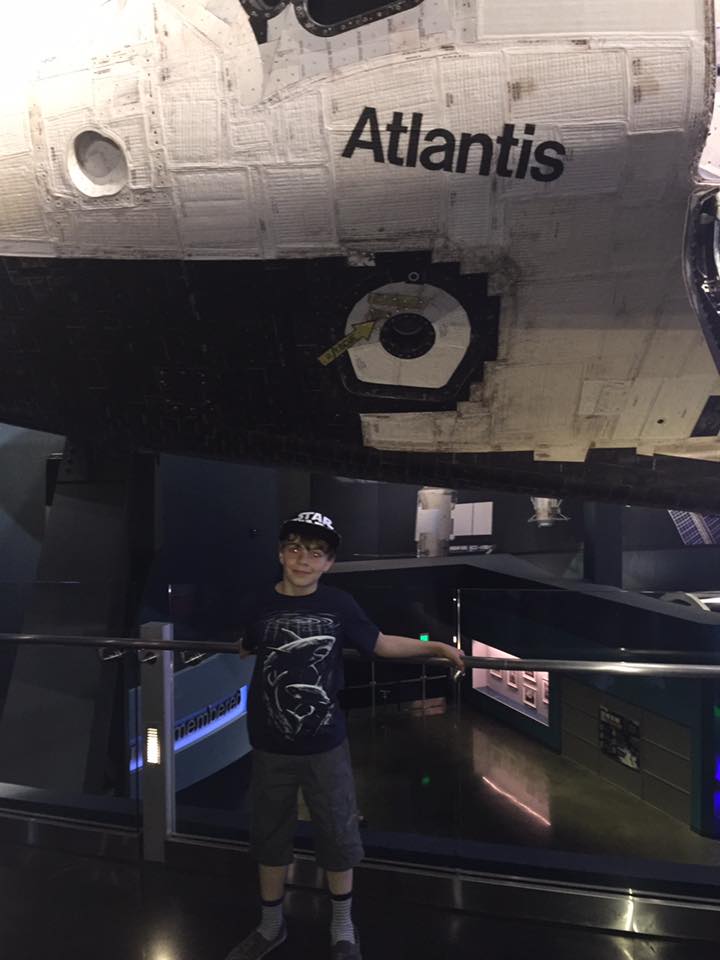
I went to NASA Kennedy Space Center during my summer holidays and got to see the real Atlantis Space Shuttle which went into space!
We also went on a ride that simulates what Astronauts feel when they’re launching into space and got see the real mission control room from the Apollo missions.
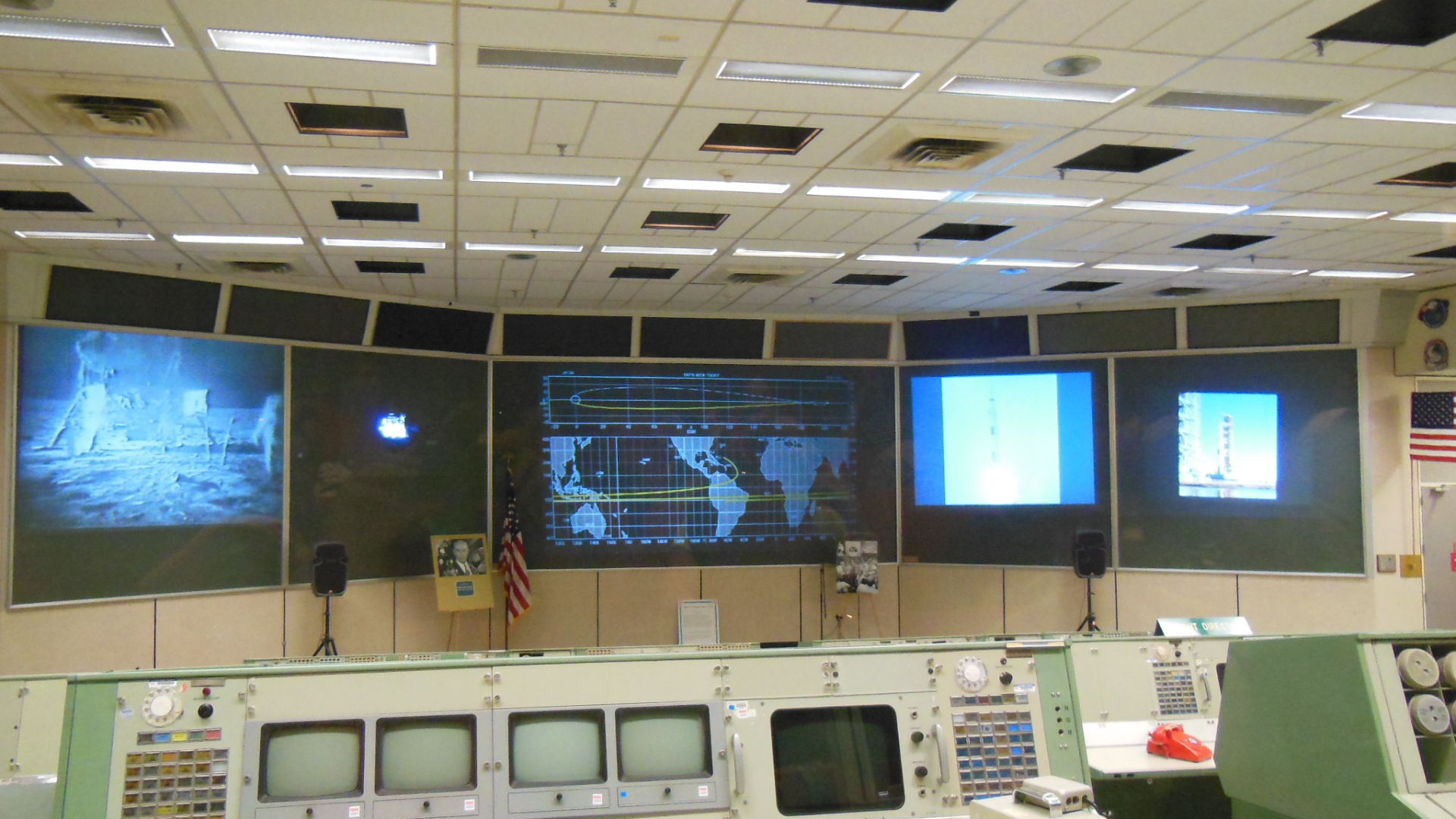
I learned that when in space the shuttles could go 17,500 miles per hour and they have no engines so can only land but not take off like airplanes can.
There’s lots of different parts to space rockets too.
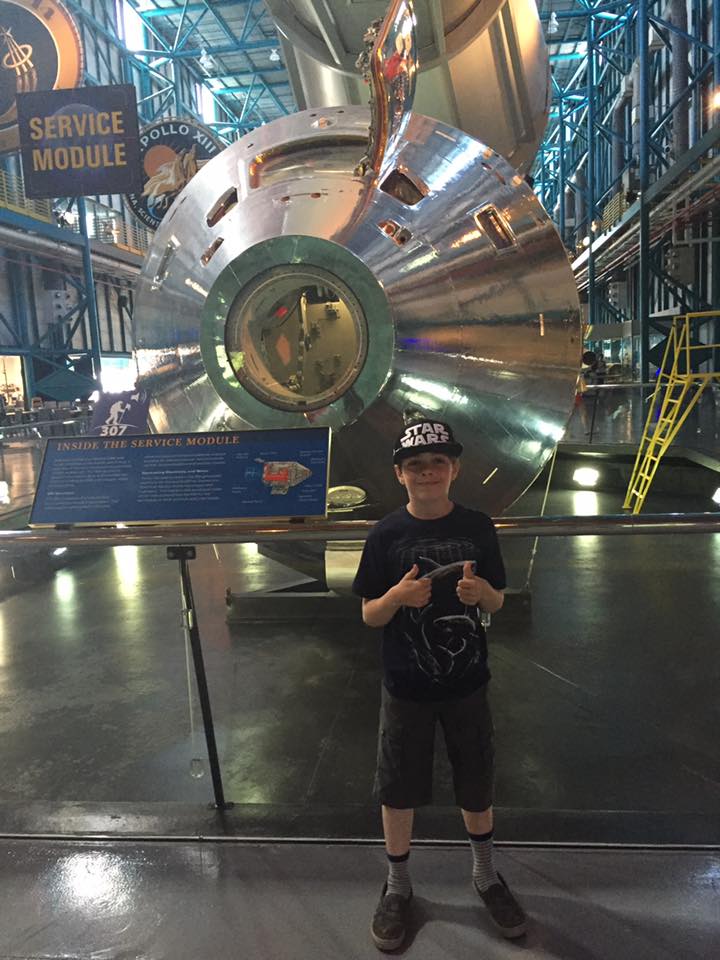
Here’s me in front of a service module.
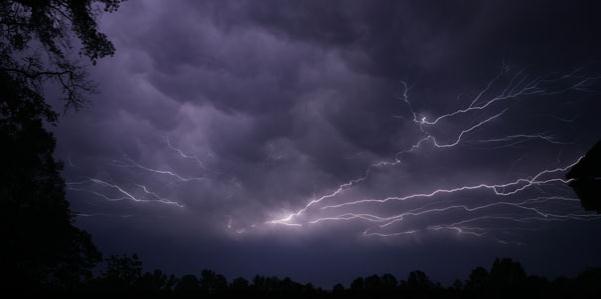
While in Florida a lot of nights the sky had heat lightning, which is lightning that jumps between clouds and doesn’t come down to the ground. It was very stormy and covered the stars most nights.
From Florida you can see Mars through a telescope and the Orion Nebula.
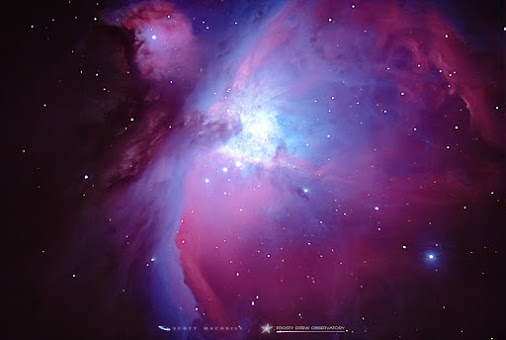
From Scotland we can see the star Cygnus and the Andromeda Galaxy during the summer and autumn. Constellations seen from Scotland are The Plough, Taurus and Orion.
The moon has lots of craters from asteroid and meteorite impacts and rotates around the Earth. The moon affects our oceans tides. Sometimes the moon crosses between the Earth and the Sun to cause a solar eclipse. You must never look at the sun directly because it can damage your eyes.
The main difference between a planet and a star is whether or not they burn hydrogen in their core as a nuclear reaction and their size. Stars are much larger than planets are and are very hot because of natural nuclear reactions. Also in the way that they form.
A good place to go for more information on star gazing in Scotland is: http://www.darkskydiscovery.org.uk/